Fluid health
Verify viscosity, additive condition, oxidation and contamination.
Lubrication
Turn lubricant condition data into confident maintenance decisions and practical reliability improvement.
Fluid health • Machine condition • Decision quality
Talk to AMREA See the workflow
Site-owned condition monitoring capability
The objective
Oil analysis adds value when sample quality, test selection, interpretation and response operate as one system.
A condition-monitoring program, not simply laboratory reporting.
The program should reveal lubricant degradation, contamination, wear and developing defects early enough to enable the right maintenance response.
Verify viscosity, additive condition, oxidation and contamination.
Detect wear, ingress and developing defects.
Connect results to practical, agreed maintenance actions.
Where oil analysis delivers value
Prioritise systems where lubricant condition or wear information provides useful lead time for a decision.
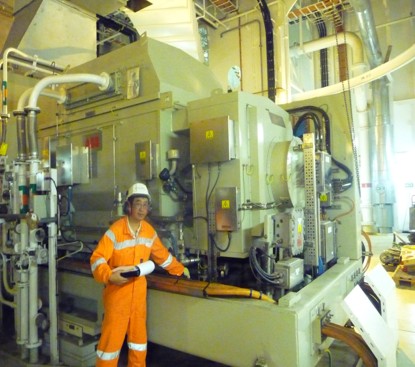
Wear, contamination and lubricant condition in process and mobile equipment.
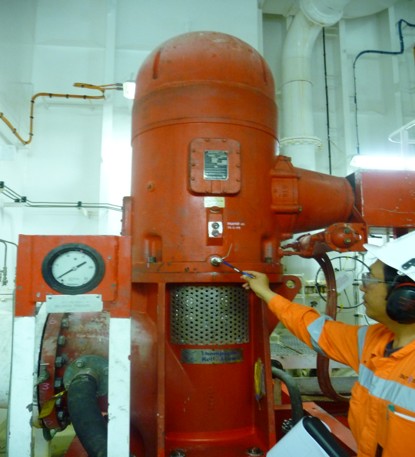
Particle contamination, water ingress, fluid condition and component wear.
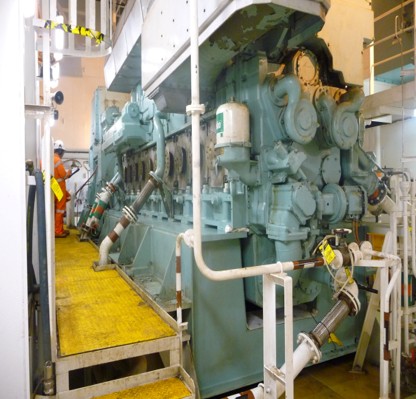
Oil condition, soot, fuel dilution, coolant ingress and wear trends.
Lubricant health and early evidence of machine or system distress.
Priority-setting lens
Controlled workflow
The process must maintain sample integrity and link every exception to a managed response.
Asset, compartment, lubricant, failure modes, decision lead time.
Use the correct live-zone location, method, bottle and label.
Select fit-for-purpose tests and establish comparable history.
Trend data against limits, duty, history and other condition evidence.
Inspect, re-sample, test further, plan work or escalate.
Verify findings, update strategy and retain program learning.
Sampling quality
A laboratory result cannot compensate for an unrepresentative, contaminated or poorly identified sample.
Program maturity
Where is your oil analysis program in the maturity model below?
Level 1
Samples are collected and laboratory alarms are relied on; internal ownership is limited.
Focus the improvement plan on ownership, controls, decision rules and verified learning.
Level 2
Sampling points, hardware and procedures are standardised to improve confidence and repeatability.
Level 3
Site-owned targets and trends are linked to maintenance strategy and other condition evidence.
Level 4
Information drives RCFA, defect elimination, lifecycle decisions and verified improvement.
Alarm limits
Set limits only after the sampling method, asset context, failure modes and available decision time are understood.
Integration
Oil analysis is strongest when it is evaluated with operating context and complementary condition evidence.
Mobilisation checklist
Set up the operating controls before relying on results to direct maintenance work.
Asset, compartment, lubricant, criticality and sampling frequency.
Tests matched to lubricant, failure modes, operating context and decision needs.
Laboratory interface, trend review, exception ownership and work-management linkage.
Sample points, access requirements, procedure, hardware and labelling.
Baseline, alarm levels, escalation triggers, roles and response pathways.
Competency, audit, sample-quality checks and recurring program review.
Turn oil data into actionable reliability insight
AMREA supports the controls, capability and continuous-improvement pathway required for dependable oil analysis decisions.