AMREA
Practical asset management and reliability support
Engineering evidence, field execution and capability building for critical rotating equipment.
AMREA approach
Reliability expertise, applied in the field
Practical support that connects analysis to actions site teams can own and sustain.
AMREA combines investigation, technical assessment, training and hands-on implementation support to improve reliability and asset performance.
- Understand machine condition, failure mechanisms and improvement opportunities
- Translate engineering findings into field-ready work
- Build confidence through coaching, procedures and repeatable workflows
Machine motion
Machine motion and reliability insight
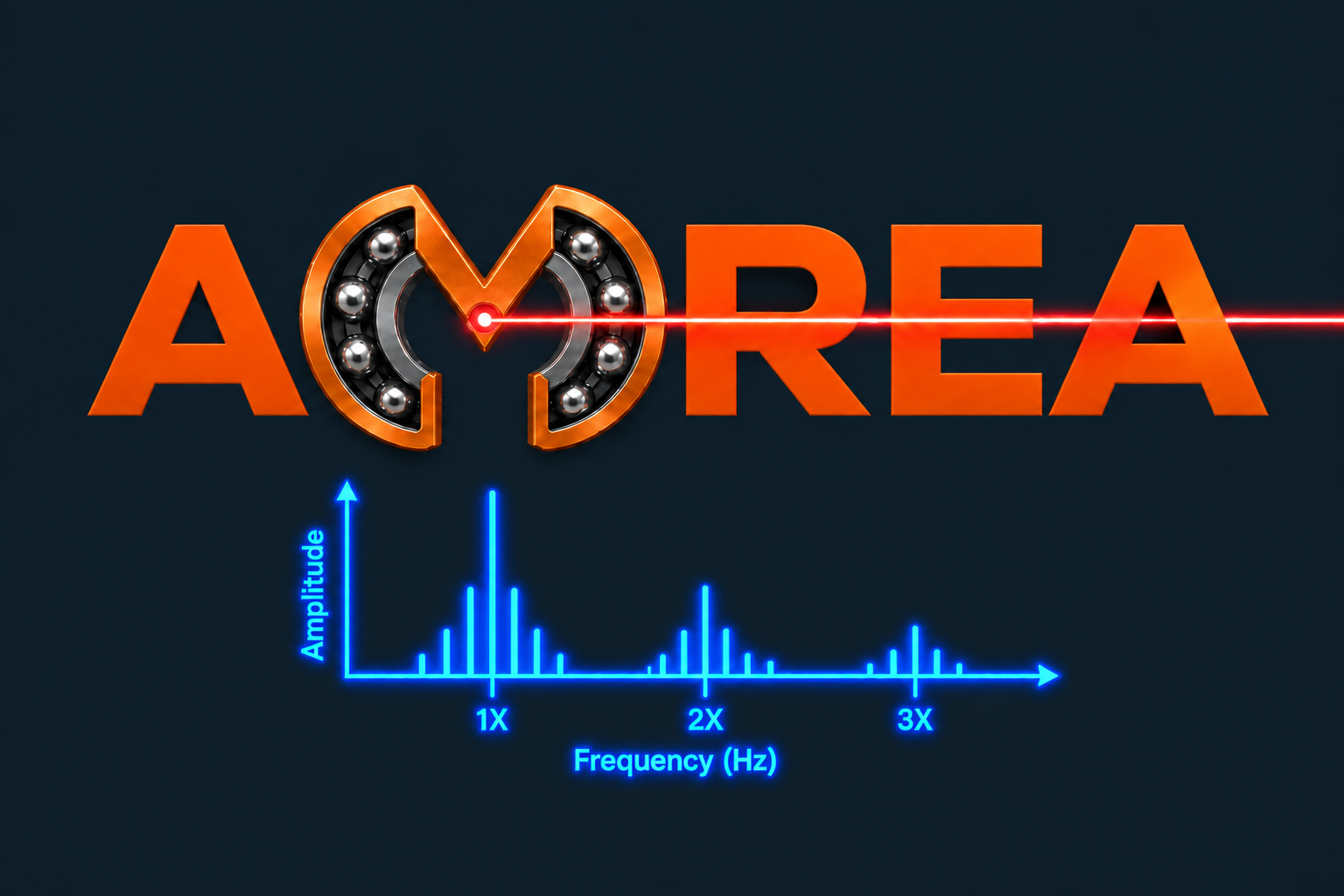
A machine, or a point on a machine, can move in six independent ways: three linear movements (moving forward/backward, side-to-side, and up/down) and three rotational movements (rotating about each of those same three directions, commonly described as roll, pitch, and yaw).
Understanding these six ways a machine or measurement point can move helps AMREA build a clearer picture of how a machine is actually behaving, and select the measurement and analysis approach that is appropriate for the equipment, access, failure mode, and risk involved.
Vibration theory, modelling software, vibration measurement, and vibration analysis are established disciplines. Not every site or investigation requires full six-degree-of-freedom measurement — AMREA selects the approach that fits the situation.
Integrated support
Four connected service lines
The service lines reinforce one another: bearing evidence may lead to lubrication, alignment, maintenance-strategy or RCFA work.
RCFA & defect elimination
Investigate failures, establish mechanisms and root causes, then prevent recurrence.
Condition monitoring
Strengthen vibration, oil analysis, thermography and proactive-maintenance programs.
FLAC management
Improve fuel, lubrication, air, coolant and additive practices across the asset lifecycle.
Precision alignment
Align critical rotating equipment and support installation, verification and baseline checks.
Evidence-led improvement
RCFA and defect elimination
Move from site evidence to verified corrective action, rather than treating only the visible symptom.
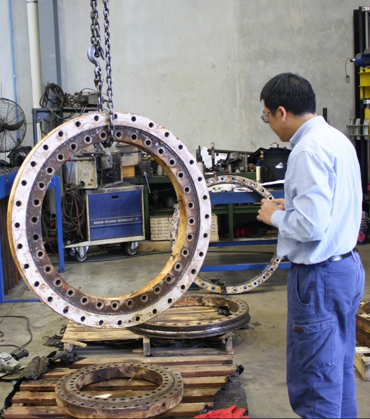
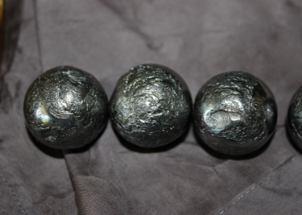
- Examine failed components, operating history and inspection evidence
- Identify the failure mechanism, not merely the visible damage
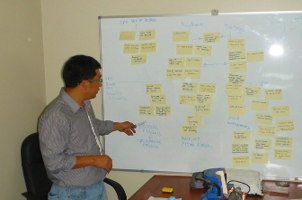
- RCFA workshops define specific, owned corrective actions and practical solutions
- Verify results in service and embed the learning
From data to action
Condition monitoring and proactive maintenance
Condition information delivers value only when it is trusted, interpreted in context and acted on through disciplined work management.
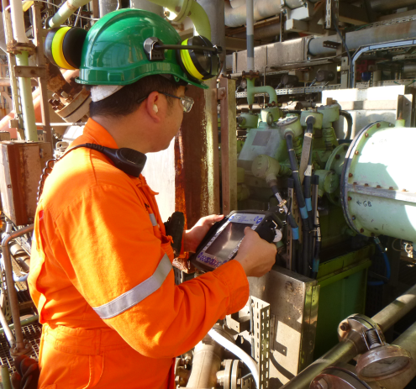
Build programs that turn vibration, oil analysis, thermography and operational observations into practical inputs to maintenance strategy and defect elimination.
- Program design and data-quality improvement
- Clear escalation and work-management workflows
- Capability development for sustainable execution
Protect the equipment
FLAC and lubrication management
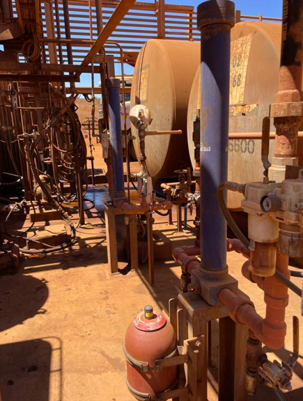
Improve the systems that protect equipment, from storage and dispensing through to sampling, analysis, filtration and work execution.
- Assess storage, delivery, handling, dispensing, sampling and waste-management practices
- Develop oil-analysis and sampling programs; review lubrication and grease systems
- Establish contamination-control improvements and coach site teams
Quality at installation
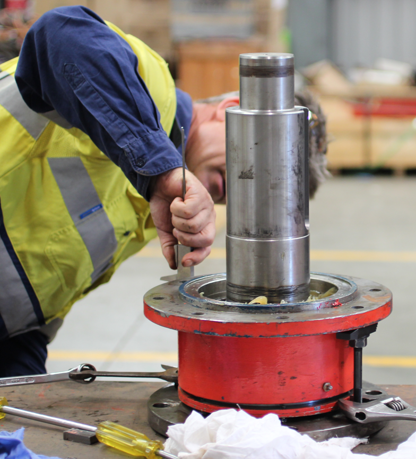
Precision alignment and critical installation
Alignment is a reliability control and quality-assurance activity, not simply a mechanical task.
- Laser alignment for turbines, blowers, compressors, pumps and drive trains
- Foundation readiness, soft foot, alignment verification and baseline condition checks
- Operating targets where appropriate, with as-found and as-left results for QA and history
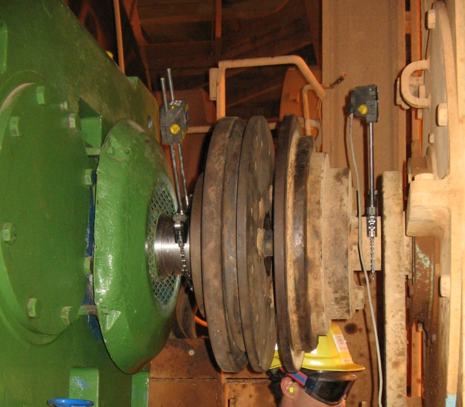
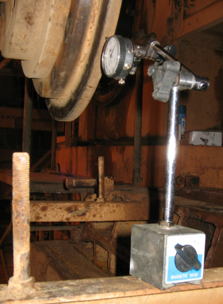
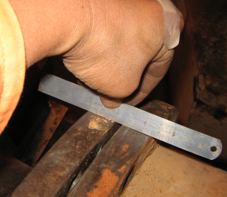
Critical machine installation requires disciplined measurement and verification.
Capability transfer
Training grounded in real equipment and site practices
Training is most effective when paired with real equipment, site practices and follow-up coaching.
Topics include RCFA and defect elimination, bearing technology and failure analysis, lubrication and FLAC management, vibration fundamentals, laser alignment, installation quality, sampling, contamination control and greasing practices.
Engagement pathway
From asset issue to verified improvement
- 1
Define
Clarify the issue, objectives, critical assets and available evidence.
- 2
Assess
Inspect field condition, review data and identify gaps or failure mechanisms.
- 3
Improve
Agree practical actions, standards, training and implementation priorities.
- 4
Verify
Track results and embed learning into routine practice.
Define the issue. Assess the evidence. Implement practical actions. Verify the result.
Make reliability improvement practical
Investigate the real cause, not only the visible symptom. Control deterioration, build capability and verify results in service.
Asset Management & Reliability Engineering